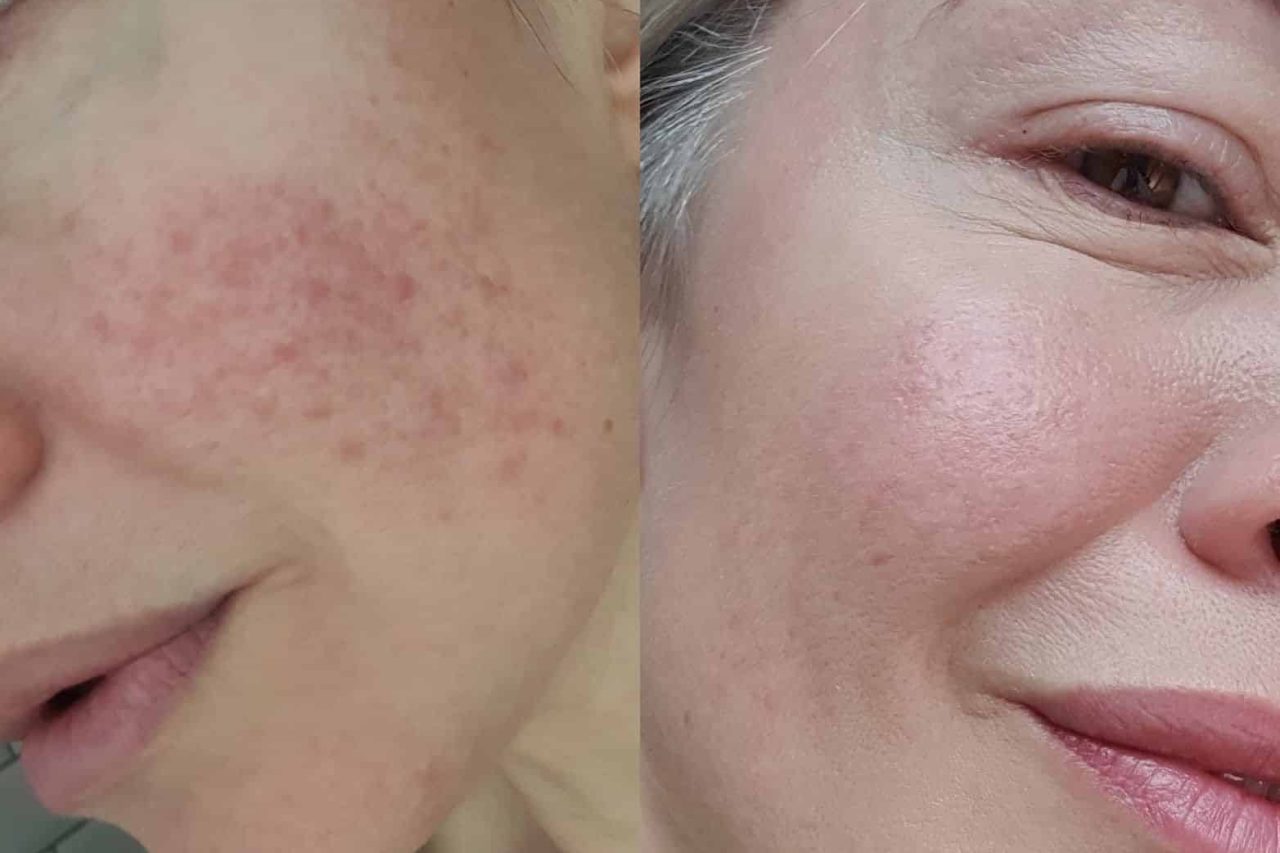
Hyperpigmentation and age spots are among the most common reasons clients come to see me. Dark patches, sunspots and uneven tone can make you feel you always need make-up. In this guide I explain what causes them, how to tell the main types apart, and how I treat pigmentation at my clinic near Norwich.
At a glance
Starts with: £50 skin consultation (45 mins) · Treatments: £100–£185 per session · Plan: usually a course, plus daily SPF
Hyperpigmentation and age spots are treated at Victoria Arpels Skin Clinic in Besthorpe, near Attleborough, Norfolk. Every plan starts with a £50 skin consultation to find the cause. Treatment is usually a course of pHformula resurfacing (£100 per session), with TCA advanced resurfacing or MIXIT (£185) for stubborn pigmentation, plus a home routine and daily SPF.
What is hyperpigmentation?
Hyperpigmentation is skin that has become darker in patches because it is making too much melanin. Melanin is the pigment that gives skin its colour and helps protect it from UV light. When melanin production becomes uneven, it shows up as dark spots, patches or an overall uneven tone.
It is very common and affects all skin types. It is not usually harmful, but it can be stubborn, and it tends to come back if the cause is not managed.
What are age spots?
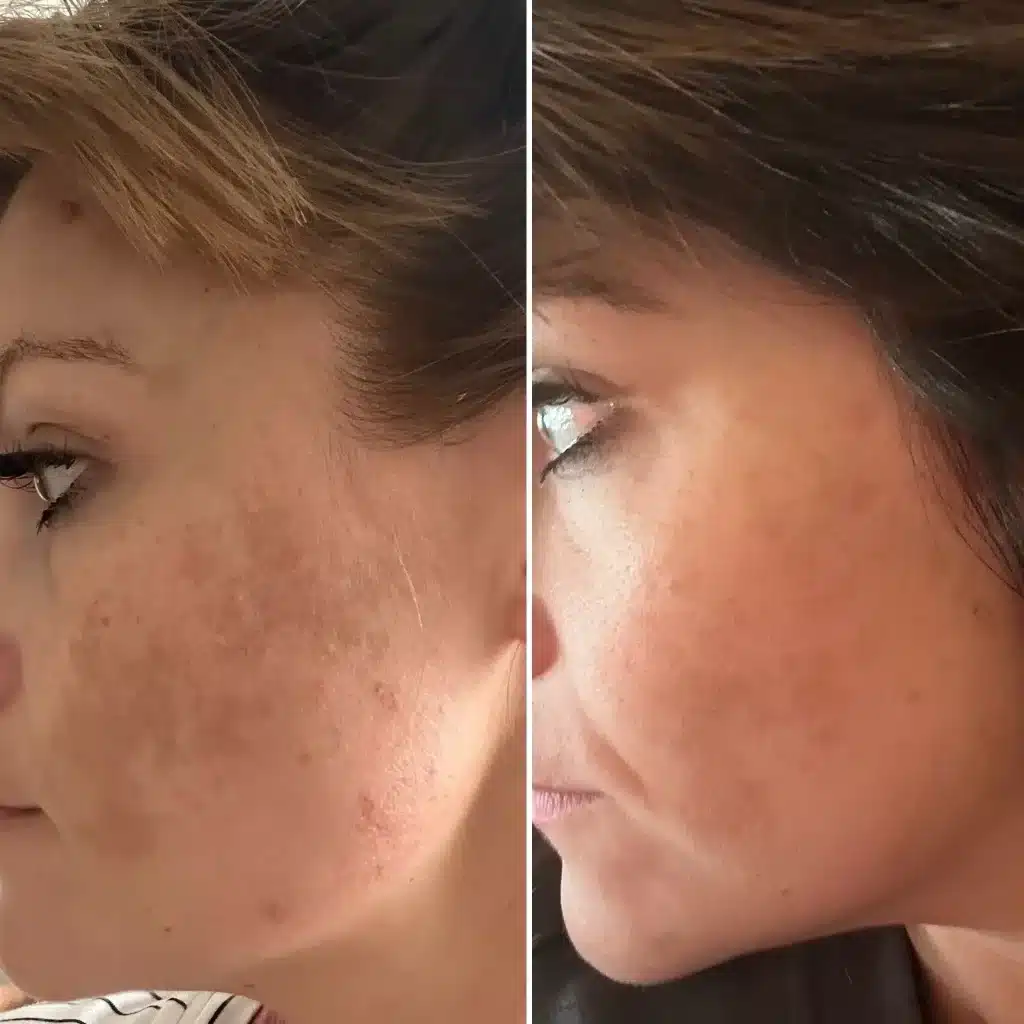
Age spots, also called sunspots or liver spots, are flat, brown, well-defined marks that appear on areas that get the most sun: the face, hands, chest and shoulders. Despite the name, they are caused mainly by years of sun exposure rather than age itself, which is why they often appear from your 30s and 40s onwards.
The main types of pigmentation
Treatment works best when it matches the type and cause of your pigmentation. The ones I see most often are:
- Sun damage and age spots: UV exposure switches on melanin production, leaving sunspots and uneven tone.
- Melasma: larger, symmetrical patches, often on the cheeks, forehead and upper lip. Hormones play a big part, for example pregnancy, the pill or menopause.
- Post-inflammatory hyperpigmentation: dark marks left behind after acne, burns, irritation or other injury to the skin.
Genetics and skin type also matter: some skin tones are naturally more prone to pigmentation, and pigment cells can become overactive with age.
How much does pigmentation treatment cost near Norwich?
Every pigmentation plan at my clinic starts with a £50 skin consultation. From there, the treatments I most often recommend are:
- Bespoke Treatment by Concern – £100 (60 mins): pHformula resurfacing tailored to your pigmentation, with LED, a prescriptive mask, face and scalp massage and Vitamin C.
- Microneedling + Skin Resurfacing – £130 (90 mins): stimulates collagen and elastin and can help with pigmentation, pores, texture and scarring.
- MIXIT Advanced Skin Treatment – £185 (90 mins): skin renewal with minimal downtime for fine lines, pigmentation, pores, texture and radiance.
- TCA Advanced Skin Resurfacing – £185 (90 mins): prescriptive resurfacing for pigmentation, uneven tone and texture. Suitability is assessed first.
Prices are per session. Your plan and the full cost are agreed at your consultation before any treatment starts.
How I treat pigmentation in clinic
- Consultation – I look closely at your skin, ask about your history, sun habits, hormones and medication, and work out what type of pigmentation you have.
- Your plan – the treatments that suit your skin, how many sessions and how far apart, with the full cost up front.
- Treatments – each session is adjusted to how your skin is responding on the day.
- Homecare and review – a simple pHformula routine to keep results going between visits, plus daily SPF, and regular check-ins to adjust the plan as your skin improves.
Rather than simply bleaching the surface, I use pHformula’s controlled resurfacing to target pigmentation at its source and rebalance the skin, then add advanced treatments for stubborn areas.
Why daily SPF matters
Pigmentation is very sensitive to sunlight. Even after successful treatment, UV exposure can bring it back, so a broad-spectrum SPF every day, all year round, is part of every pigmentation plan I create. That includes cloudy winter days in Norfolk.
- Apply SPF every morning as the last step of your skincare.
- Reapply when you are outdoors for long periods.
- Add a hat and shade on bright days, especially during a treatment course.
How long does pigmentation treatment take to work?
Pigmentation usually improves gradually over a course of treatment rather than after a single session, and how quickly it responds depends on the type and how deep it sits in the skin. Age spots and post-acne marks often respond well; melasma is more stubborn and needs careful, ongoing management. I will give you a realistic plan at your consultation and review your progress as we go.
When to see your GP first: if a mole or dark spot is new, changing in size, shape or colour, itchy or bleeding, see your GP before having any treatment. Advanced treatments may also not be suitable if you are pregnant or breastfeeding, have an active skin infection or certain medical conditions, or take some medications. I check your medical history and skin at your consultation before any treatment.
Why choose Victoria Arpels Skin Clinic?
I have more than 22 years in the beauty industry, hold a BA (Hons) and a Certificate in Education, and founded the accredited training provider Next Step Beauty. My clinic is fully licensed with Breckland Council, and every treatment is one-to-one with me. You can read more about me and my training.
“I finally understand my skin and feel so much more confident in my routine.”
— Clinic client
Hyperpigmentation and age spots FAQs
How much does hyperpigmentation treatment cost near Norwich?
Treatment at Victoria Arpels Skin Clinic starts with a £50 skin consultation. Pigmentation treatments then cost £100 to £185 per session, and your full plan and cost are agreed before any treatment starts.
Can age spots be removed?
Age spots can often be faded with a course of pHformula resurfacing, with TCA advanced resurfacing or MIXIT for stubborn spots. Results vary from person to person, and daily SPF is needed to stop them returning.
What is the difference between age spots and melasma?
Age spots are small, well-defined brown marks caused mainly by sun exposure. Melasma forms larger, symmetrical patches, often on the cheeks, forehead and upper lip, and is strongly linked to hormones. They are treated differently, which is why every plan starts with a consultation.
Will my pigmentation come back after treatment?
Pigmentation can return if the skin is exposed to UV without protection or if hormones change. A home routine and a broad-spectrum SPF every day, all year round, help to keep results going.
Where can I get pigmentation treatment near Norwich?
Victoria Arpels Skin Clinic is in Besthorpe, just off the A11 near Attleborough, about 20 minutes from Norwich, with free parking. The address is Unit 17 Rookery Business Park, Silver Street, Besthorpe, Attleborough, Norfolk NR17 2LD. Call or WhatsApp 07894 756966 to book.
Related: Pigmentation treatment near Norwich · TCA Resurfacing · MIXIT · Skin Consultation · Contact Victoria